Overview
EcoGenie is a mobile application designed to tackle the global waste issue by helping people recycle confidently and correctly.
Project duration:
3 weeks
Role:
UX designer from conception to delivery
Responsibilities:
User research, wireframing, low and high-fidelity prototyping, conducting usability studies, accounting for accessibility, and iterating on designs.
Problem
The UK government plans to introduce consistent waste collection policies across England. The changes could see households separating waste into six types of recyclable waste.
RECYCLING IS
CONFUSING
76%
admitted to putting items in the recycling bin without checking whether it is even recyclable
90%
believe recycling is important
Survey conducted by Barratthomes based on 2,000 UK respondents
Primary research based on survey
To help people recycle confidently and correctly
Reduce global waste!
Solution
I conducted a questionnaire with 10 questions to find out more about users’ recycling habits and thinking before creating personas. The responses were collected from March 9th to March 15th with a total of 20 participants.
Based on the findings below I created two personas for the app:
- Most people recycle at home and would look for recycling signs on the object when they don’t know if an item is recyclable or not
- Almost all users are confident with technology and uses their smartphone at least once everyday
- More students consider recycling very important than professionals
Laura

“Can we recycle plastic 5?”
Laura is a busy marketing living in London. She is environmentally conscious and tries to reduce her carbon footprint whenever possible.
However, she finds it difficult to know what can be recycled and where. She would love to learn more about recycling and sustainability but work is her priority.
Michael

“I do what I can to protect the environment.”
Michael is a maths PHD student who is also an environmentalist. He volunteers with non-profit organisations and promotes environmental sustainability. However, there are occasions when he is unsure about if an item is recyclable or not with his local council.
He usually looks for recycling symbols on the object to check if it is recyclable but often questions whether the object actually gets recycled.
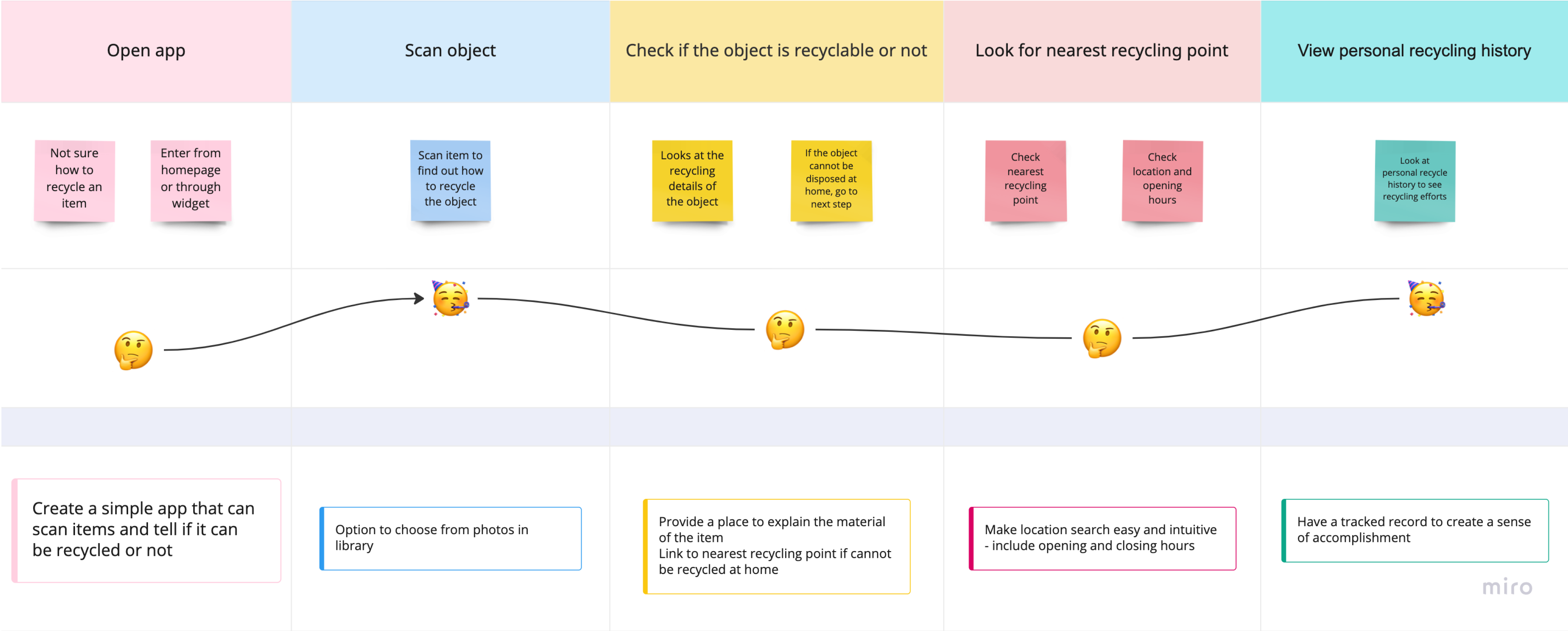
Due to the scoping of the project, I focused on Michael’s user journey as he represents users who are likely to be using the app frequently.
Competitive Audit
Scrapp, USA
Strengths
- Barcodes are easy to find and scan for users
- Simple and intuitive user interface
- Free
- No login required
- Track process
Weaknesses
- No recycling point search
- No word search
- Not all items can be recognised through barcode
- Accessibility options are limited
- Barcodes of imported goods cannot be recognised
Opportunities
- Include recycling point search and word search.
- Opportunity to partner with waste management companies to improve the app's recognition of items and expand its reach
- Potential to offer premium features or monetise the app through advertising or other means.
Threats
- Competition from other recycling apps
- Technological advancements or innovations that could make the app's barcode system outdated or less effective.
- Change in Government policies and political factors may impact the recycling industry and the way people recycle
- Changing consumer preferences or behaviours
EcoScan, Netherlands
Strengths
- AI image detector
- Free
- Guest login option
- Earn EcoCoins to exchange gift cards
Weaknesses
- No scanning history
- UI looks out of date
- No word search
- Recycling information based on image detector
- No information on local recycling councils
Opportunities
- Include scanning history to help find items that users have already scanned
- Integrate with smart home devices like smart home assistants and smart refrigerators
- Provide recycling tips and educational resources to position the app as a trustworthy app
Threats
- Privacy concerns may let users become wary of sharing data, which could negatively impact adoption rates
- Inaccurate recycling information can lead to user frustration and incorrect recycling that could potentially harm the environment
- Economic downturn could negatively impact the recycling industry, which could impact the user base and revenue
The two recycling apps operate for countries out of the UK so the recycling information may be inaccurate when used in the UK. By analysing the two apps and evaluating the opportunities and threats helps consolidate the research needed for the app.
How might we make recycling easier for people?
The results from the previous survey provided the findings below:
77%
Wants to scan objects and determine the correct recycling method
1/2
Wants information on recycling centres nearby
72%
Look for recycling symbols on the object
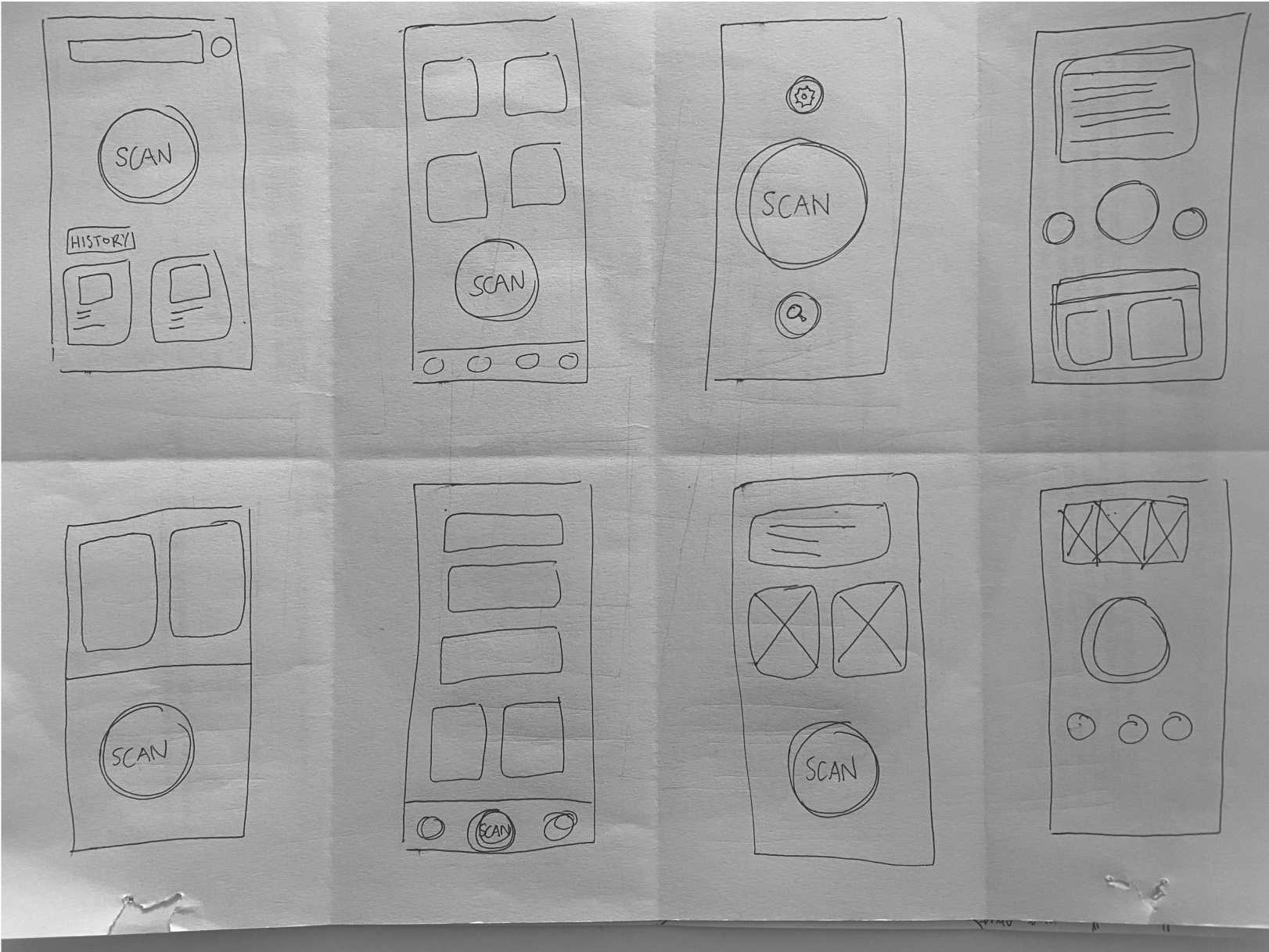
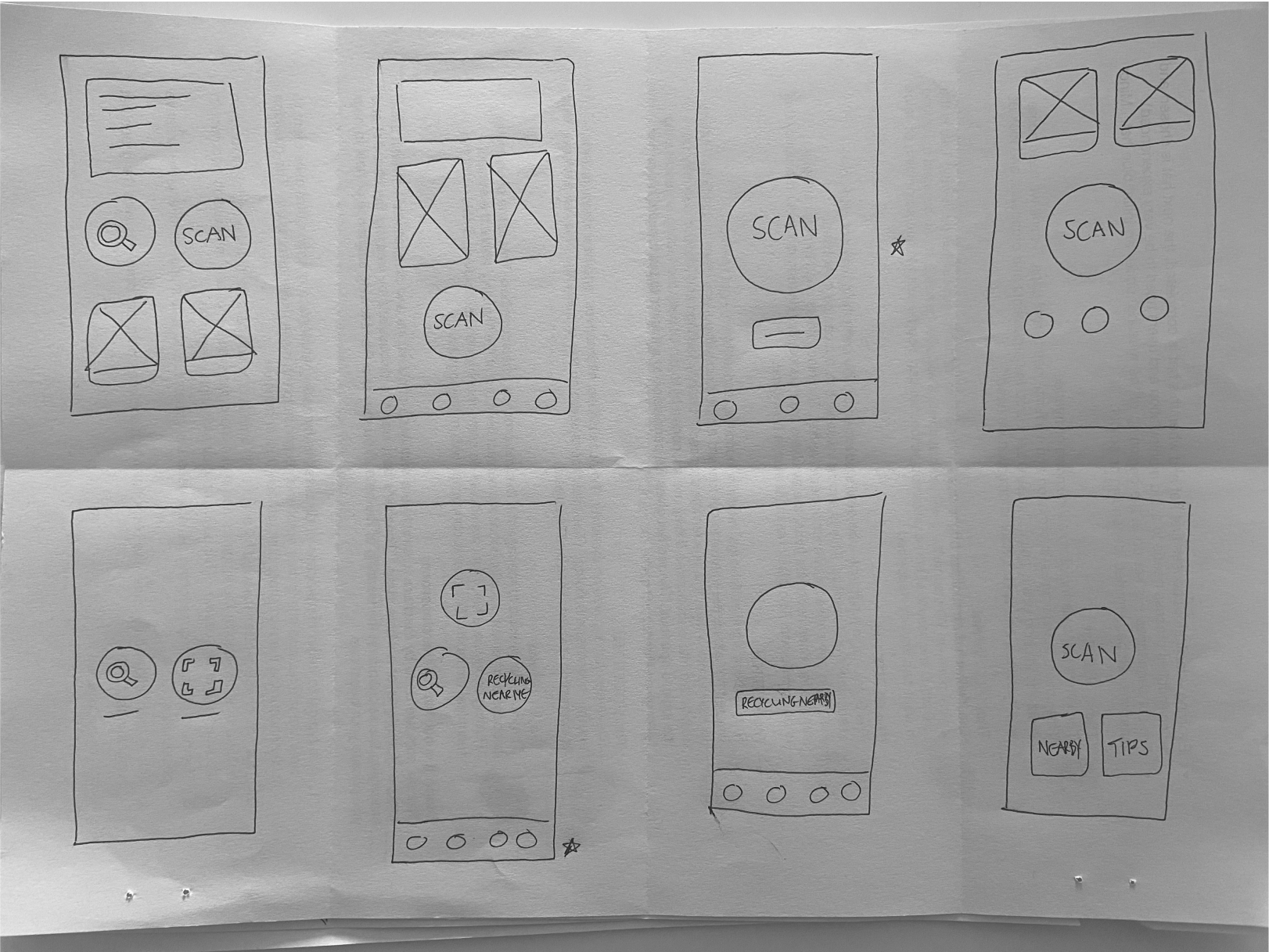
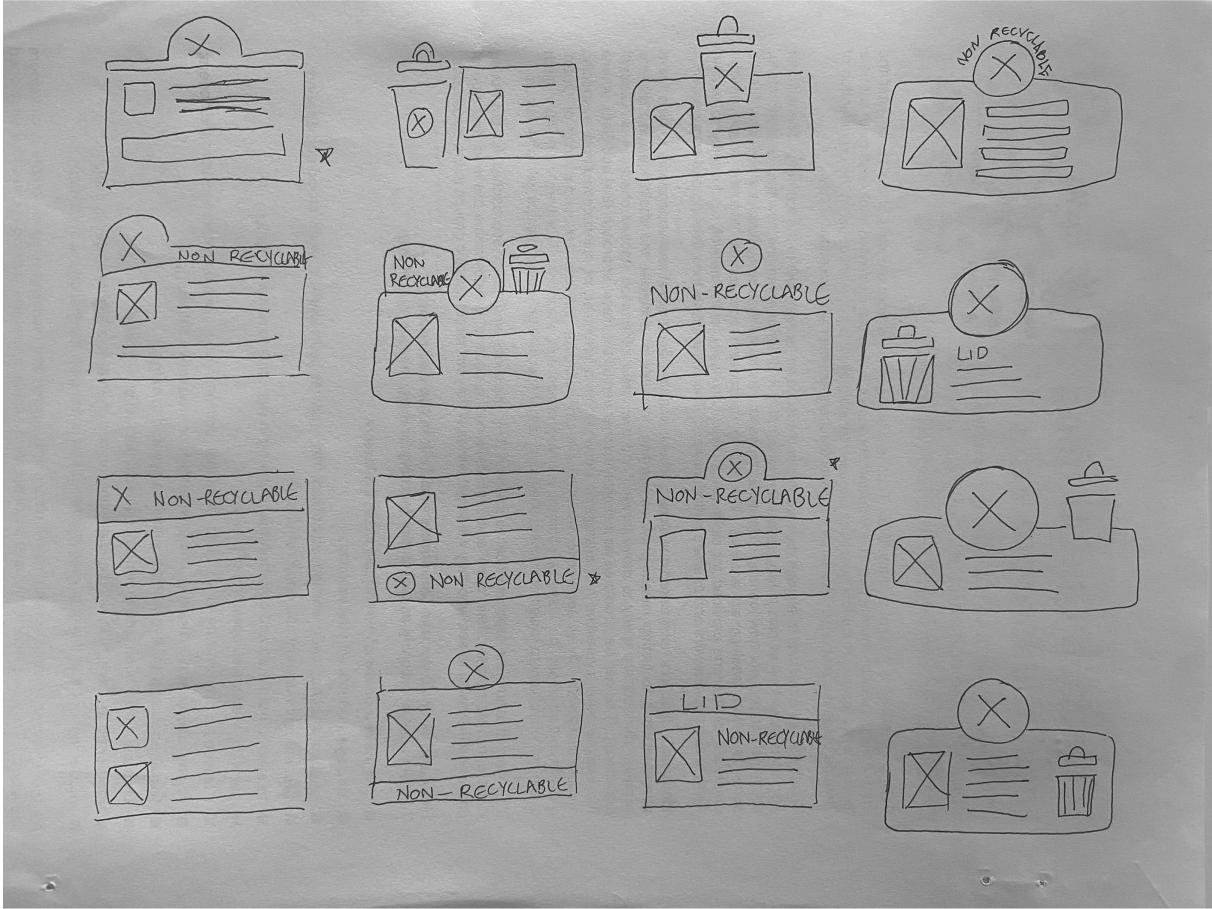
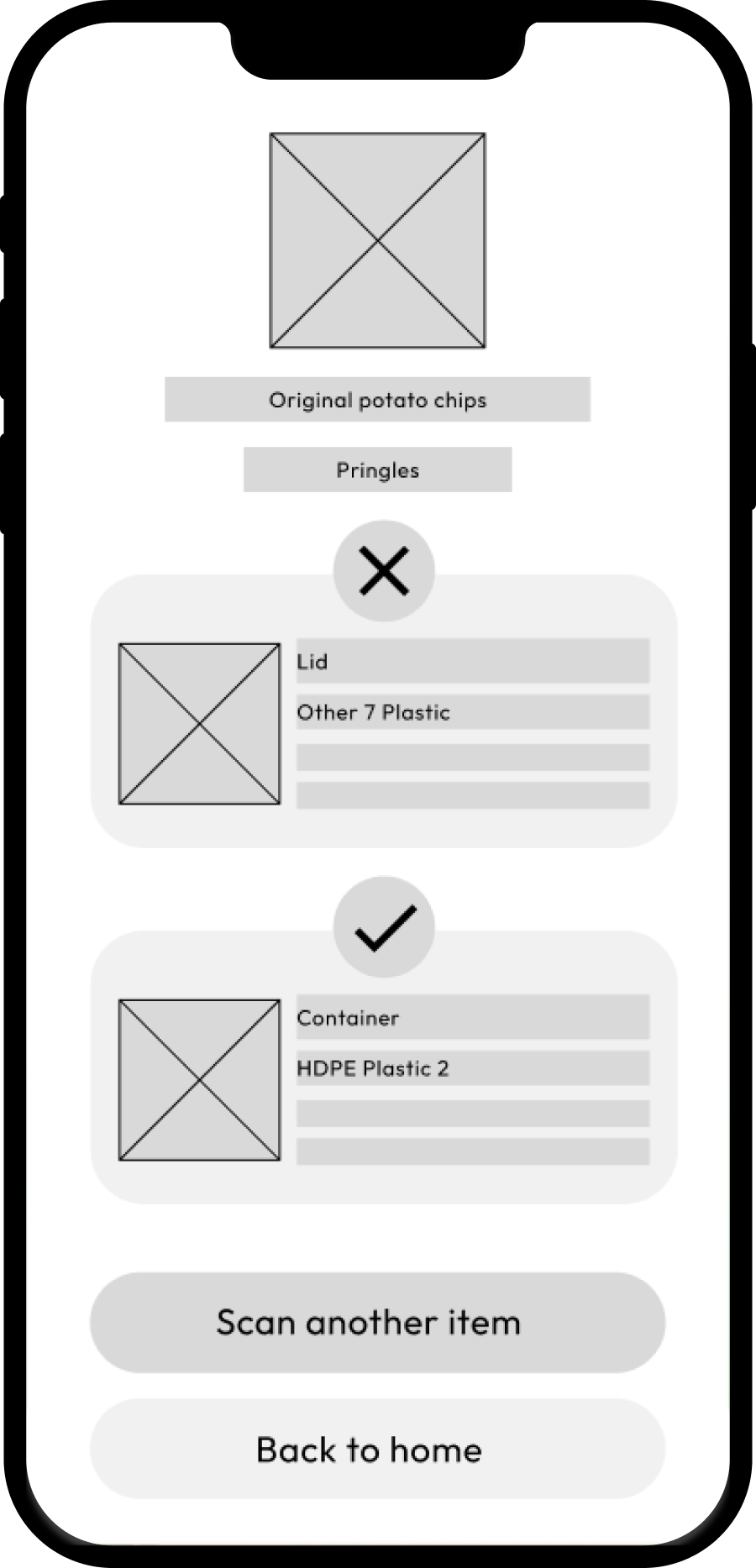
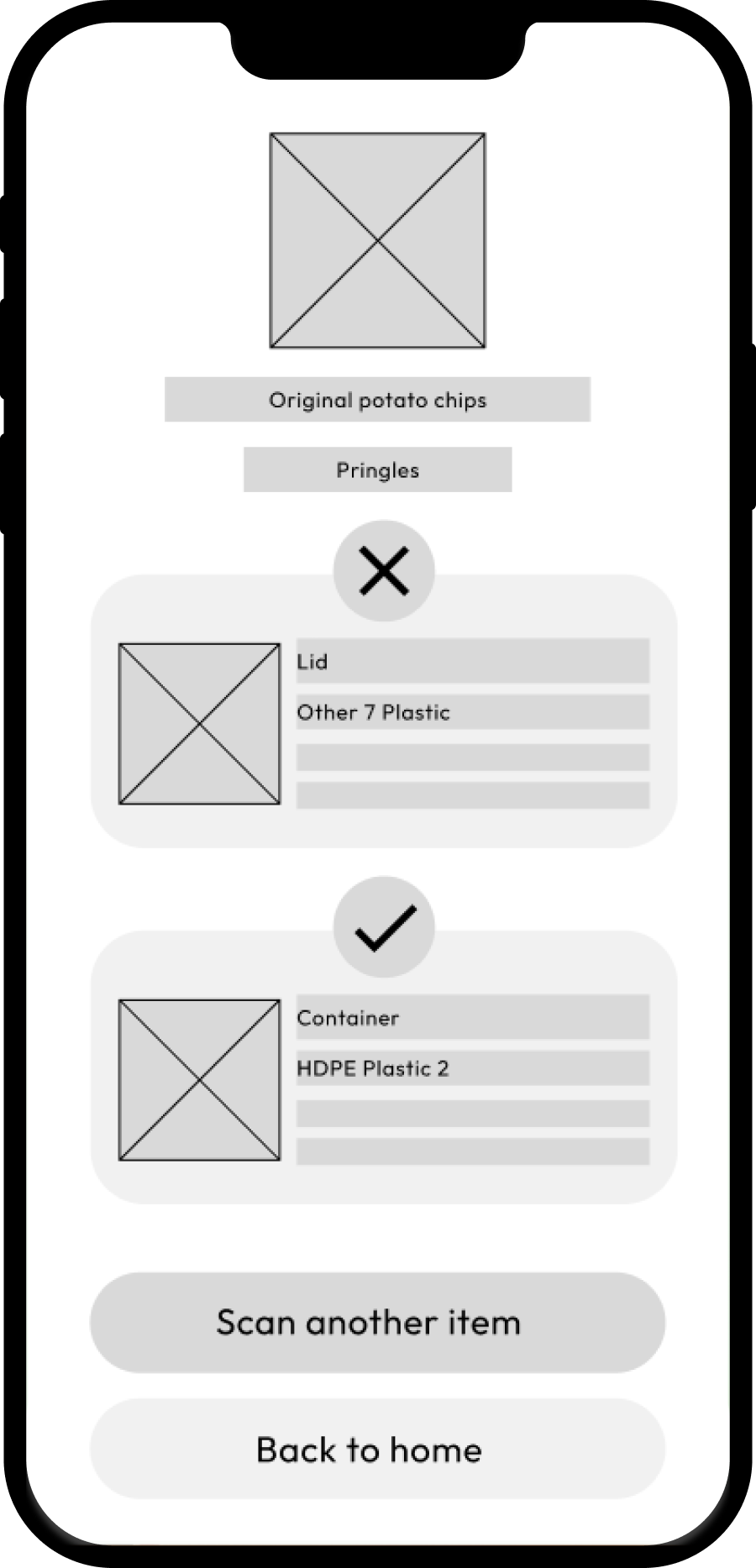
I was torn between which card design works better with paper wireframes so I ended up creating digital versions of my top two and run an A/B test.
Usability findings
I conducted 2 rounds of moderated usability study (one with the lo-fi and one with the hi-fi prototype) to determine if users can complete the main user flow Due to time constraints the usability study is conducted with 3 participants selected from the target market.
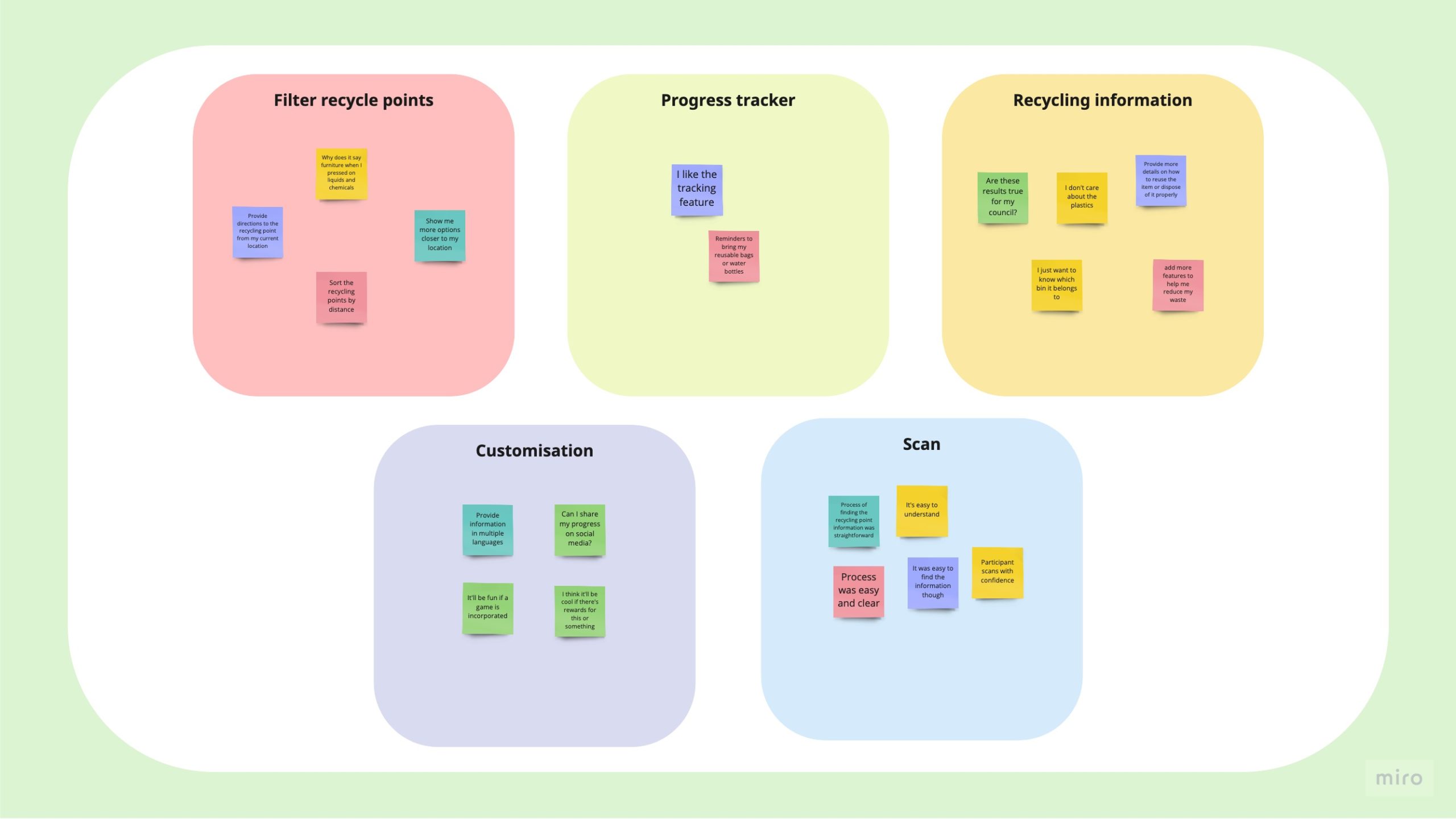
“Yeah, it’s easy to scan.”
“I like the tracking feature.”

Recycling information
People want more specific information on how to recycle certain items

Filter options
People would like to have filter options to find recycling points,

Accuracy
Some people questioned the accuracy of the recycling advice
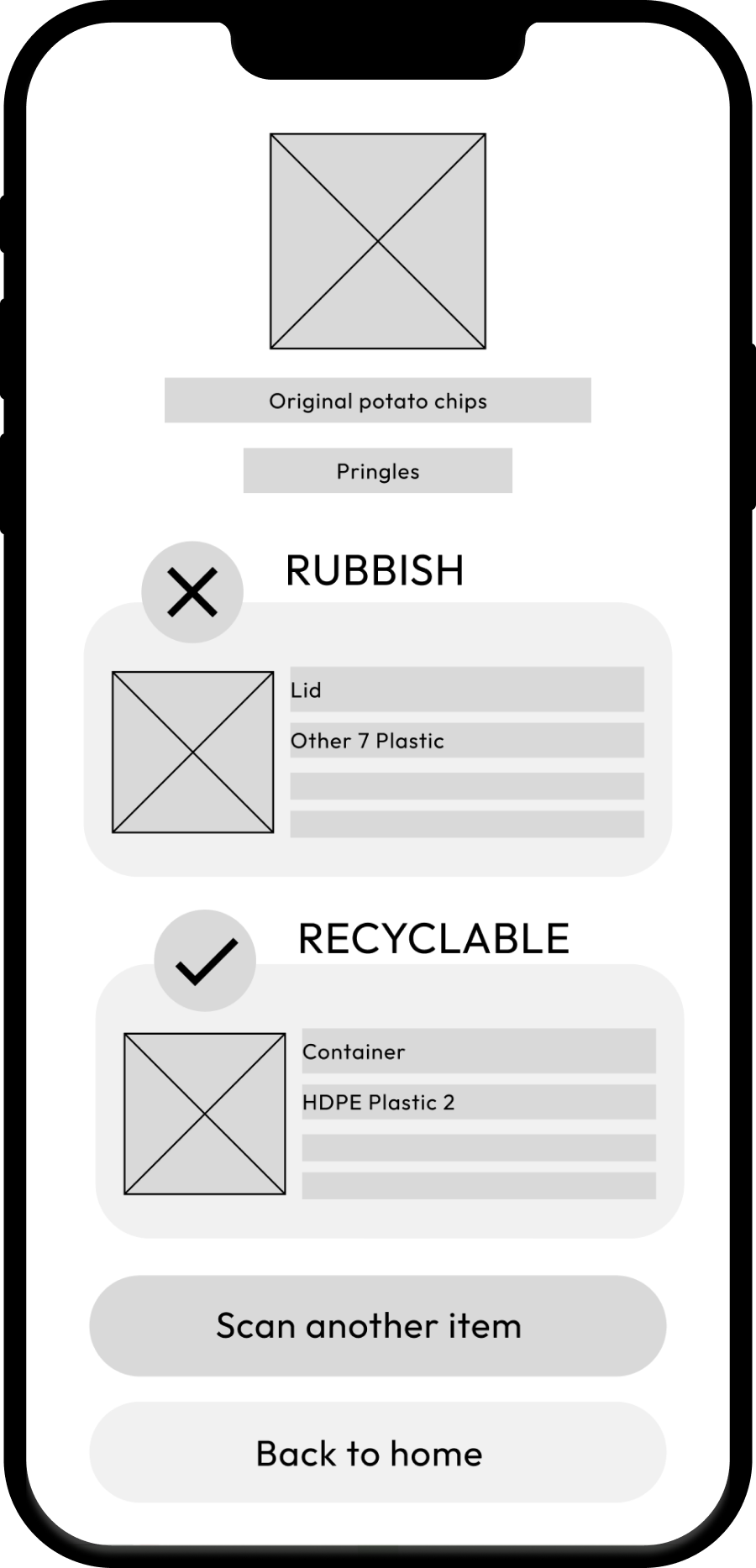
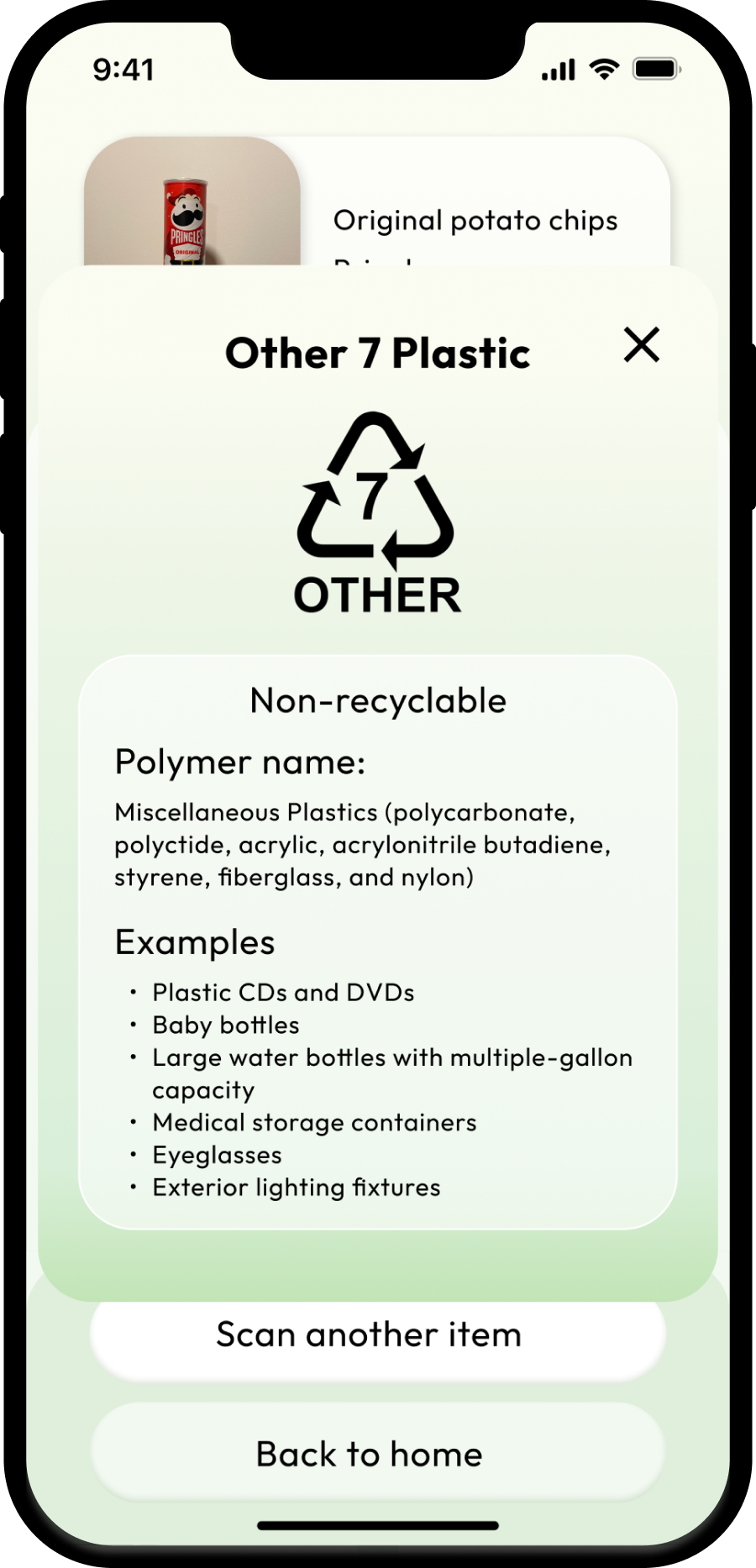
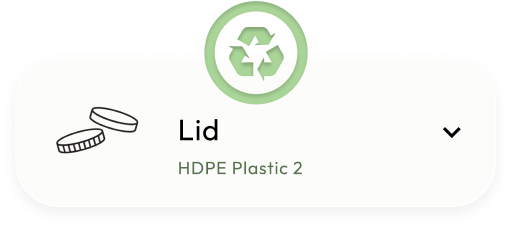
Some people want to have additional recycling information but there are others who just want to keep it simple so I chose to add an open overlay for further information about the type of material used on the item. This way people who are interested can click to view more details.
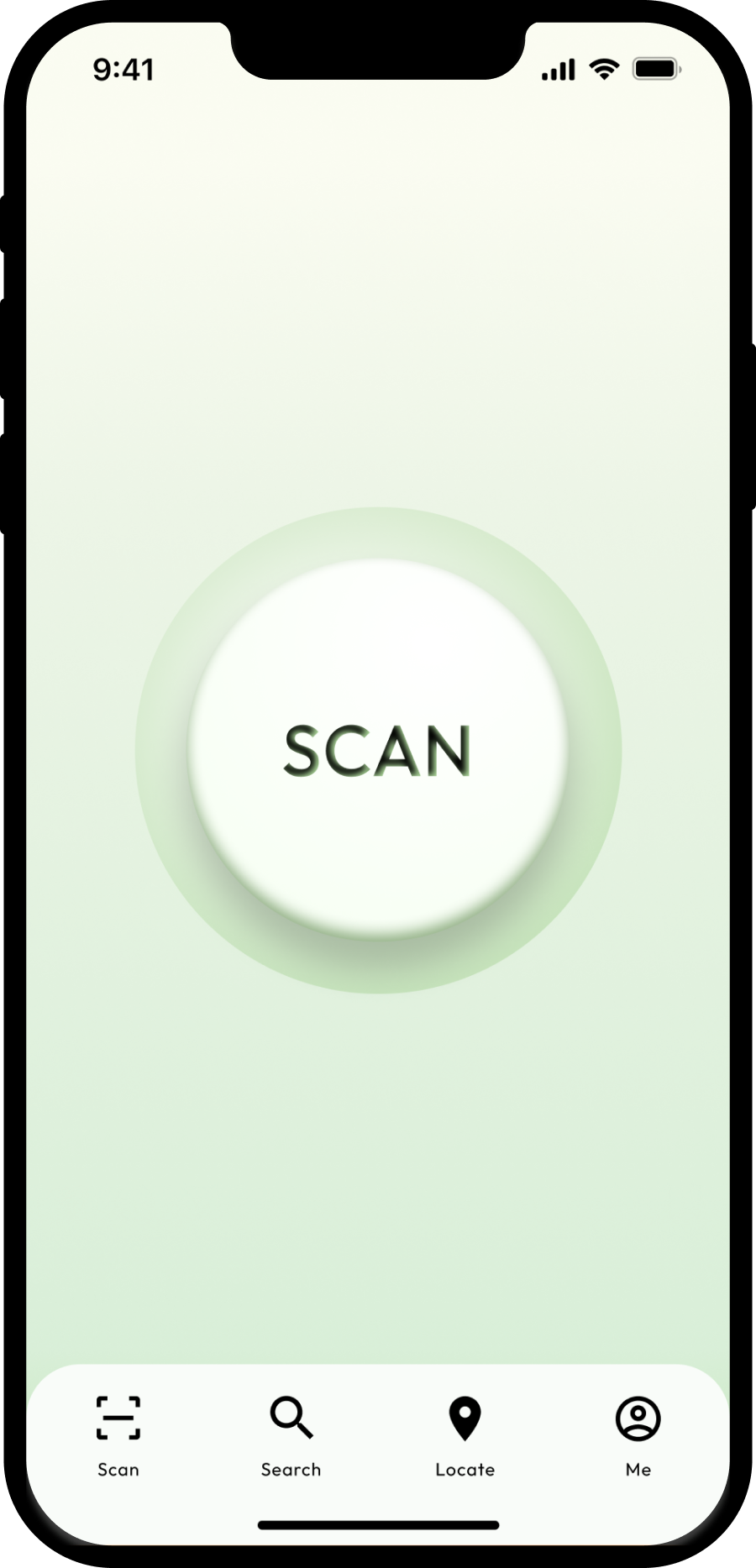
Minimal and simple interface
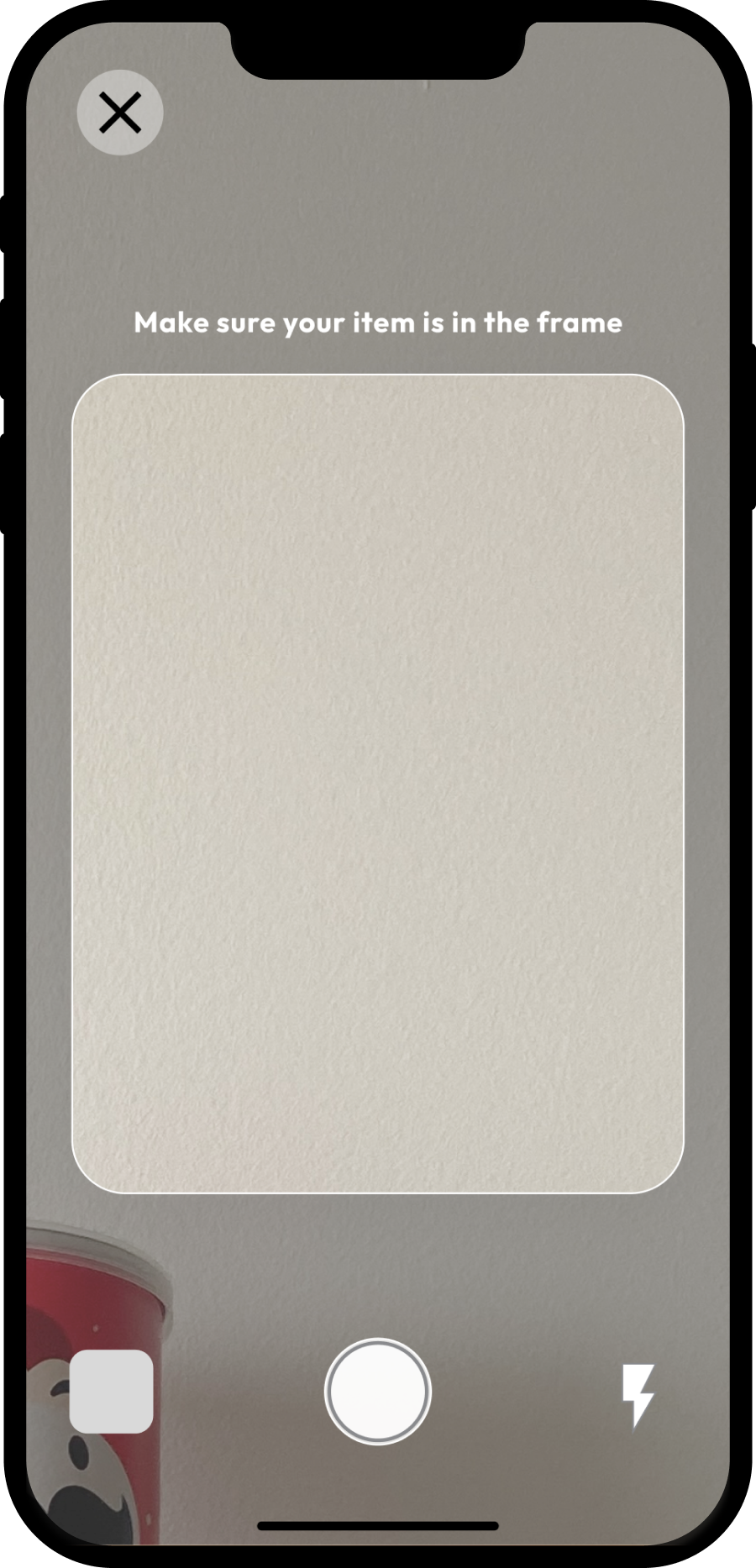
Frame to guide users to put their item in the scanning ranger
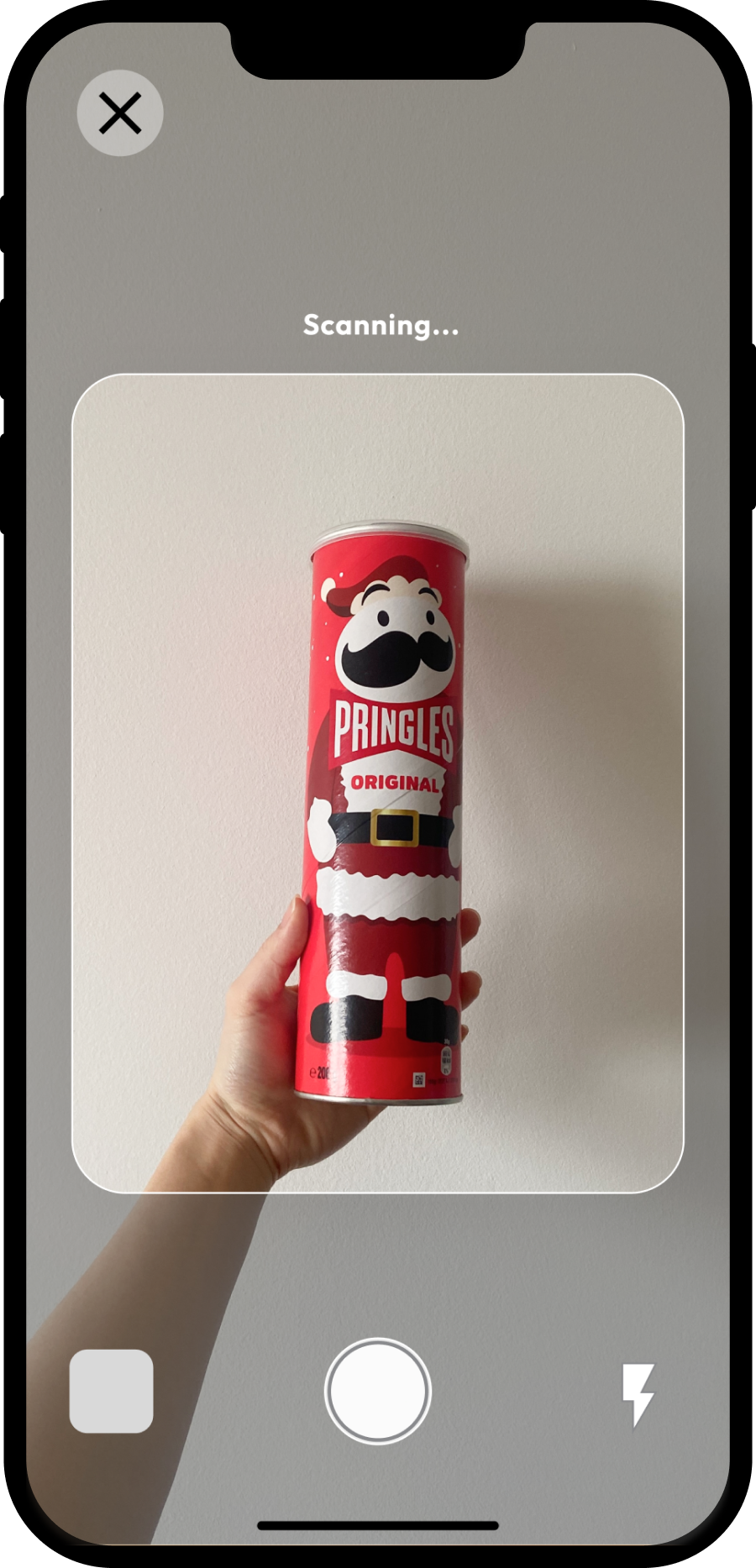
“Scanning” text to let users know that the app is scanning
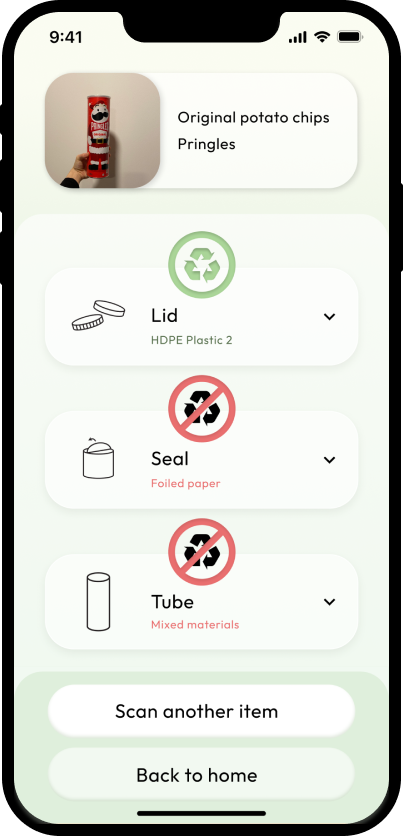
Recycling information about different parts of the item scanned
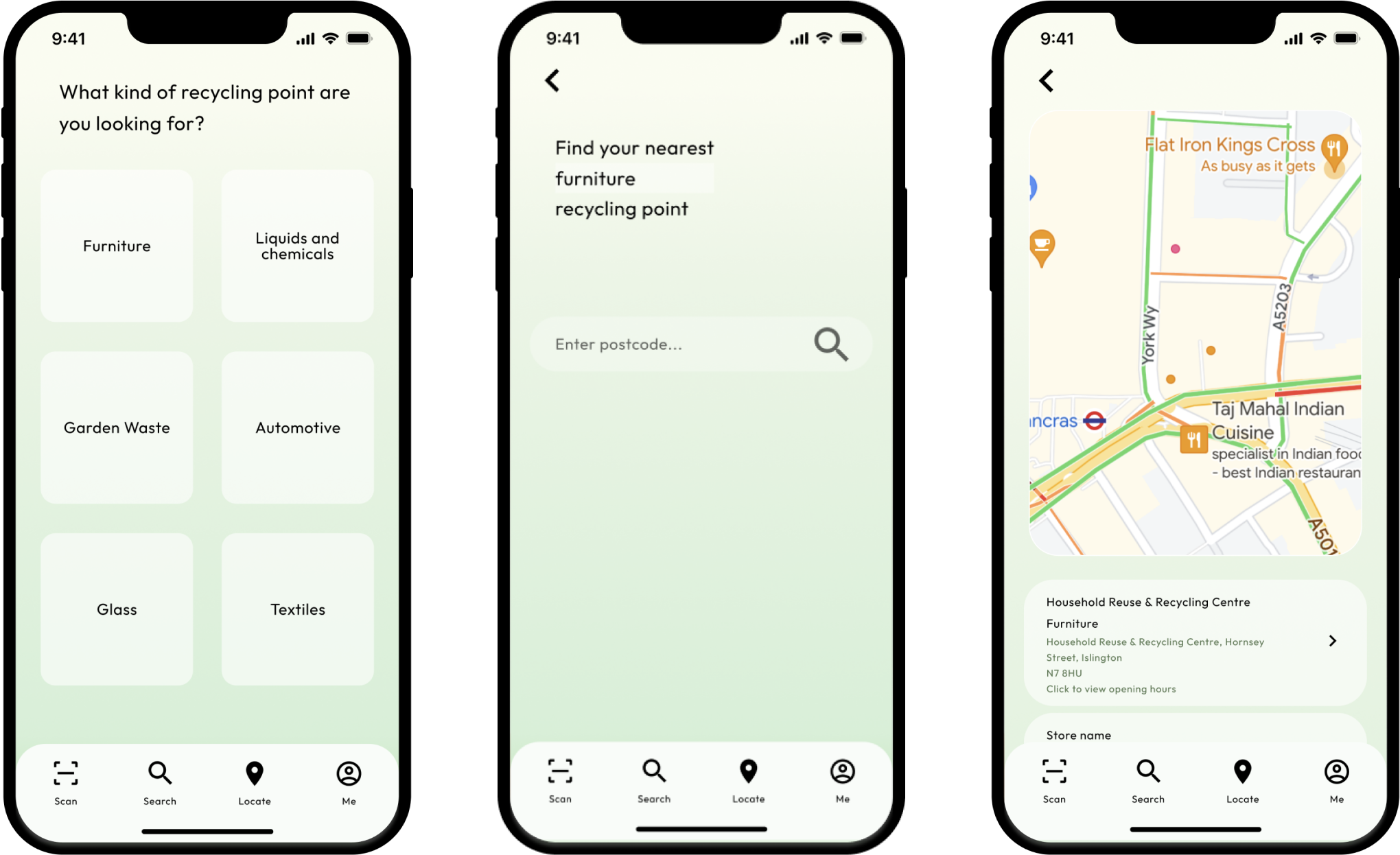
Finding the nearest recycling point
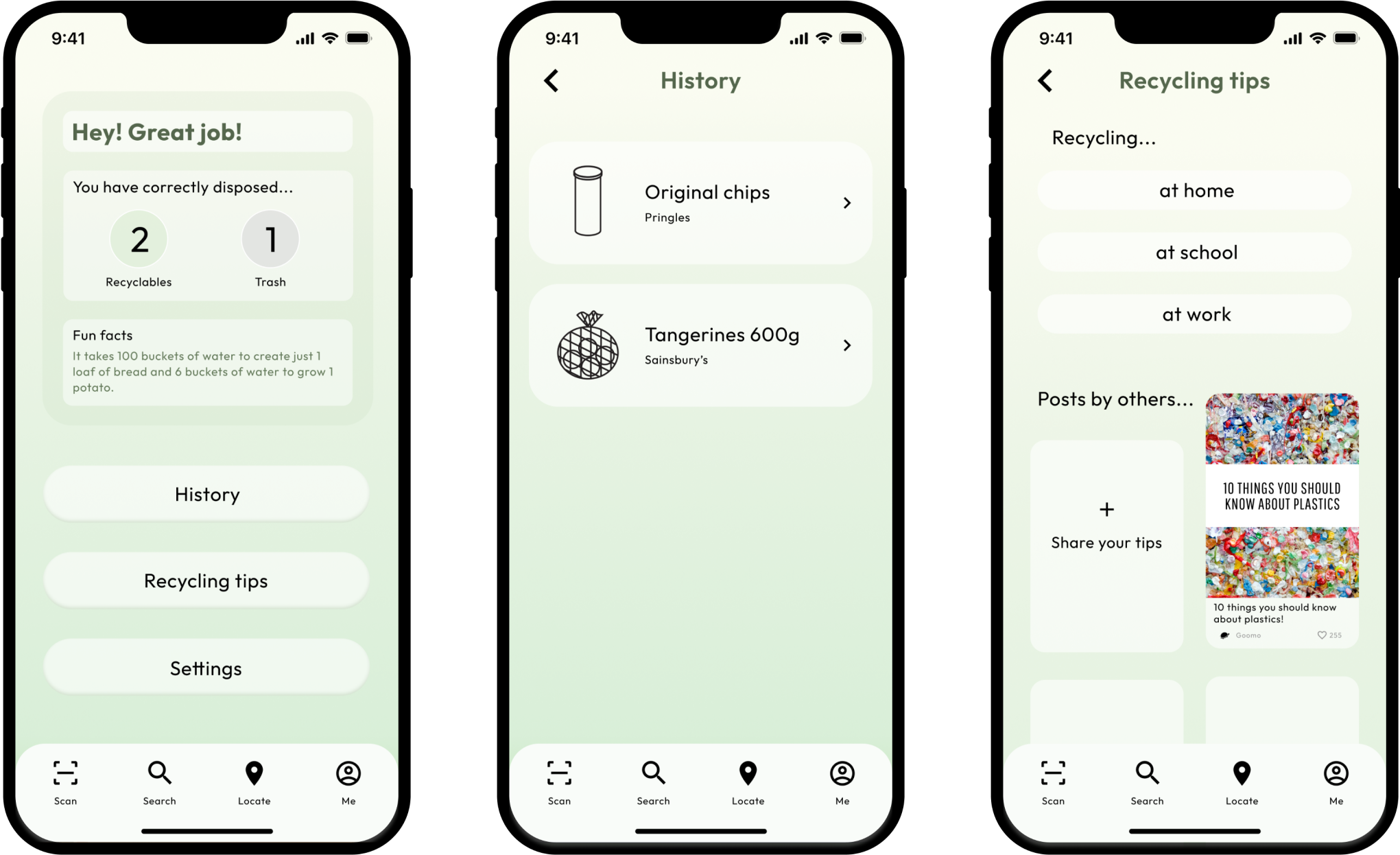
History of scanned items and recycling tips
Accessibility
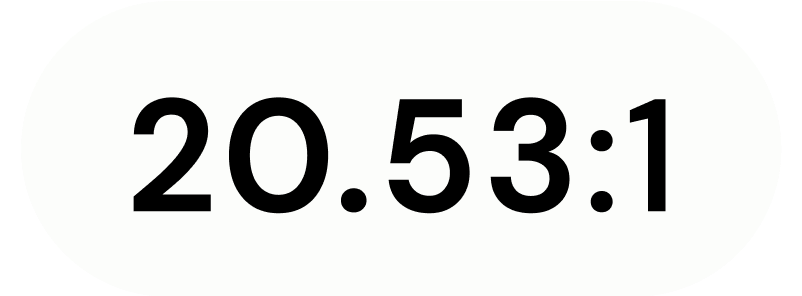
Colours used in the app and website meet the WCAG AAA criteria
Logical hierarchy and layout makes it easier to find key information at a glance

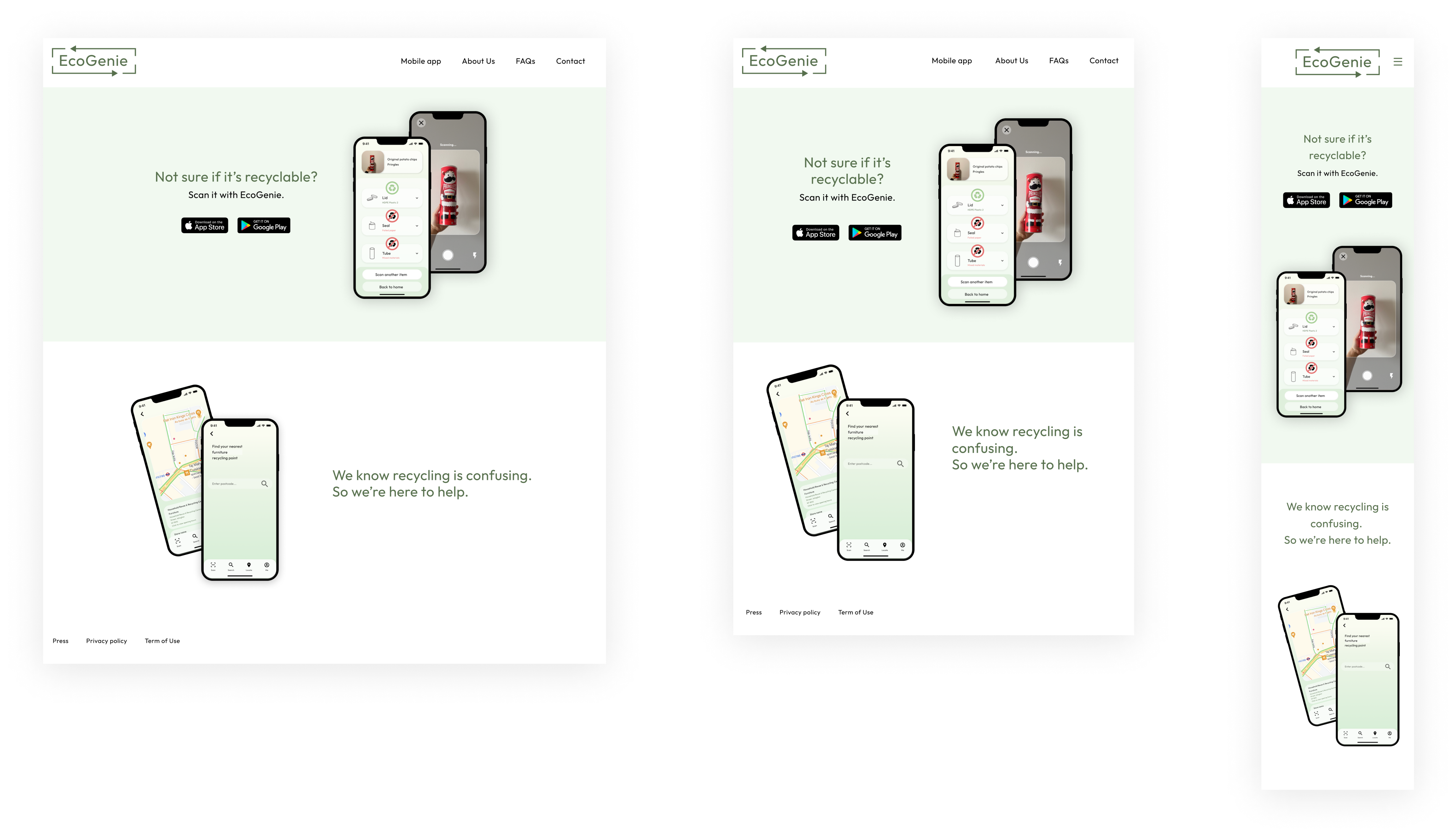
I made sure the website is optimised to fit specific user needs of each device and screen size. The standard 3 size variations (mobile tablet and desktop) are displayed on the right.
Opportunities

Develop the sharing tips post section because this section has a great potential to make the app more interactive and gain more attention.
Collaborate with data scientists, recycling companies, supermarkets and councils to come up with accurate data

Develop a gamification feature that increases the usage of the app
Takeaways
If I was to conduct the questionnaire again I would have a follow up question to find out what people would do when there is no recycling symbol on the object. This will provide more accurate insights which may lead to better design solutions for the problem.
When recruiting participants of usability studies, it is important to be adaptable and flexible due to time constraints. Testing the wireframes ASAP is also important to see what works and and what doesn’t. It is easier to let users decide which design solve their problem instead of ourselves as designers.
Selected Works